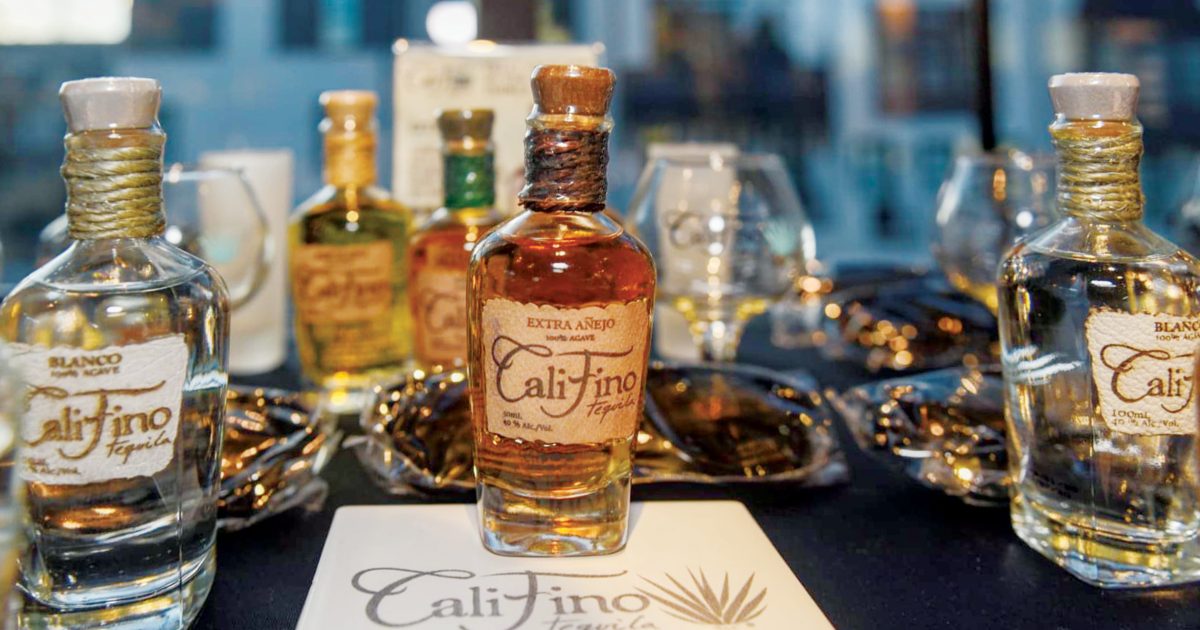
thecalifanos.com – People talk about “California tequila” the way they talk about “New York pizza”: like the place name is a flavor. Tequila doesn’t work like that. The label can feel like a travel postcard, but the rules behind it are closer to a passport stamp—and they matter if you’re trying to understand what’s in the glass.
That’s why califino tequila is an interesting example: it’s often discussed in U.S. contexts, yet its identity is rooted elsewhere.
Tequila can’t be from California (even when the brand is)
Tequila is protected by a denomination of origin. In plain terms: the spirit called “tequila” must be produced in specific regions of Mexico, primarily Jalisco and certain municipalities in four other states, under regulated standards.
So when people say “California tequila,” they usually mean one of two things:
-
a brand headquartered or marketed from California
-
a tequila that’s popular in California bars and shops
Neither changes where tequila is legally made.
What CaliFino is actually claiming on its own label story
CaliFino positions itself as tequila sourced from Los Altos (the Highlands) of Jalisco, emphasizing 100% blue weber agave and a handcrafted approach.
That “Highlands” detail isn’t just scenery. The brand itself points to red soil, higher elevation, and more sunlight as factors associated with sweeter agave character—language you’ll often see when producers want to signal a softer, fruit-leaning profile.
A quick way to read the lineup: blanco, reposado, añejo, extra añejo
Most tequila shelves look confusing until you realize the major categories are really about time (and wood).
Blanco is typically unaged or minimally rested. It’s where agave character shows up most directly—pepper, citrus, cooked agave sweetness—without much barrel influence.
Reposado is aged in oak, usually long enough to soften edges and add vanilla, gentle spice, and a rounder mouthfeel. CaliFino’s own description highlights a reposado aged 12 months in American oak, with notes like vanilla and buttery spice.
Añejo spends longer with wood, often bringing deeper caramel, toasted oak, and richer texture. For CaliFino, listings describe an añejo aged 24 to 36 months in American white oak.
Extra añejo pushes further—more time, more barrel impact, more “sipping spirit” territory. CaliFino markets an extra añejo option among its range.
If you’re comparing bottles, ask yourself what you want to taste: the agave itself (blanco), a balance of agave and barrel (reposado), or the barrel’s deeper imprint (añejo/extra añejo).
“Handcrafted” is a vibe—production choices are the substance
A tequila can be 100% agave and still taste wildly different from another 100% agave tequila. The big levers are:
-
how the agave is cooked (slow ovens vs faster industrial methods)
-
how it’s fermented (yeast choice, temperature, time)
-
distillation approach and cuts
-
aging: barrel type, time, and climate
Broader guides to tequila often focus on exactly these factors because they’re where flavor is born.
CaliFino’s marketing leans into “fine sipping” positioning, which usually implies a smoother profile and a preference for neat pours rather than mixing.
How to taste it without turning it into homework
A simple tasting routine keeps you honest:
-
Smell first, mouth slightly open—look for cooked agave, citrus, pepper, vanilla, oak.
-
Small sip, then wait—tequila “blooms” after a few seconds.
-
Second sip tells the truth—first sip often lies because your palate is waking up.
-
Add a few drops of water if the alcohol prickle dominates; it can open aromatics.
One beginner mistake I see a lot: people judge a tequila on the first sharp moment, then miss the finish entirely—where reposado and añejo styles quietly show what the barrel added.
So what should “California tequila” mean to you?
If you see someone searching “california tequila” and landing on CaliFino, the correct mental translation is: a California-presented brand, selling a Mexican denomination-of-origin spirit sourced from Jalisco’s Highlands. That’s not a knock. It’s simply the map.
And yes—sometimes the internet makes strange detours. If you arrived here while looking for go fish rules, you’ve officially wandered into the wrong deck.
CaliFino is best understood by separating branding geography from production geography: the story may feel Californian, but the tequila lives in Mexico’s regulated regions and traditions. Knowing how blanco, reposado, and añejo differ turns “califino” from a name into a set of expectations—and makes choosing a bottle far less mysterious.